- Hillary Plauche
- 0 Comments
- 6 Views
Turn Seasonal Slowdowns Into Local SEO Wins
Seasonal restaurants feel like two different places. During peak season you are packed with tourists and locals, then a few months later you are staring at empty tables and slow nights. Your Google presence should not look the same in both of those worlds.
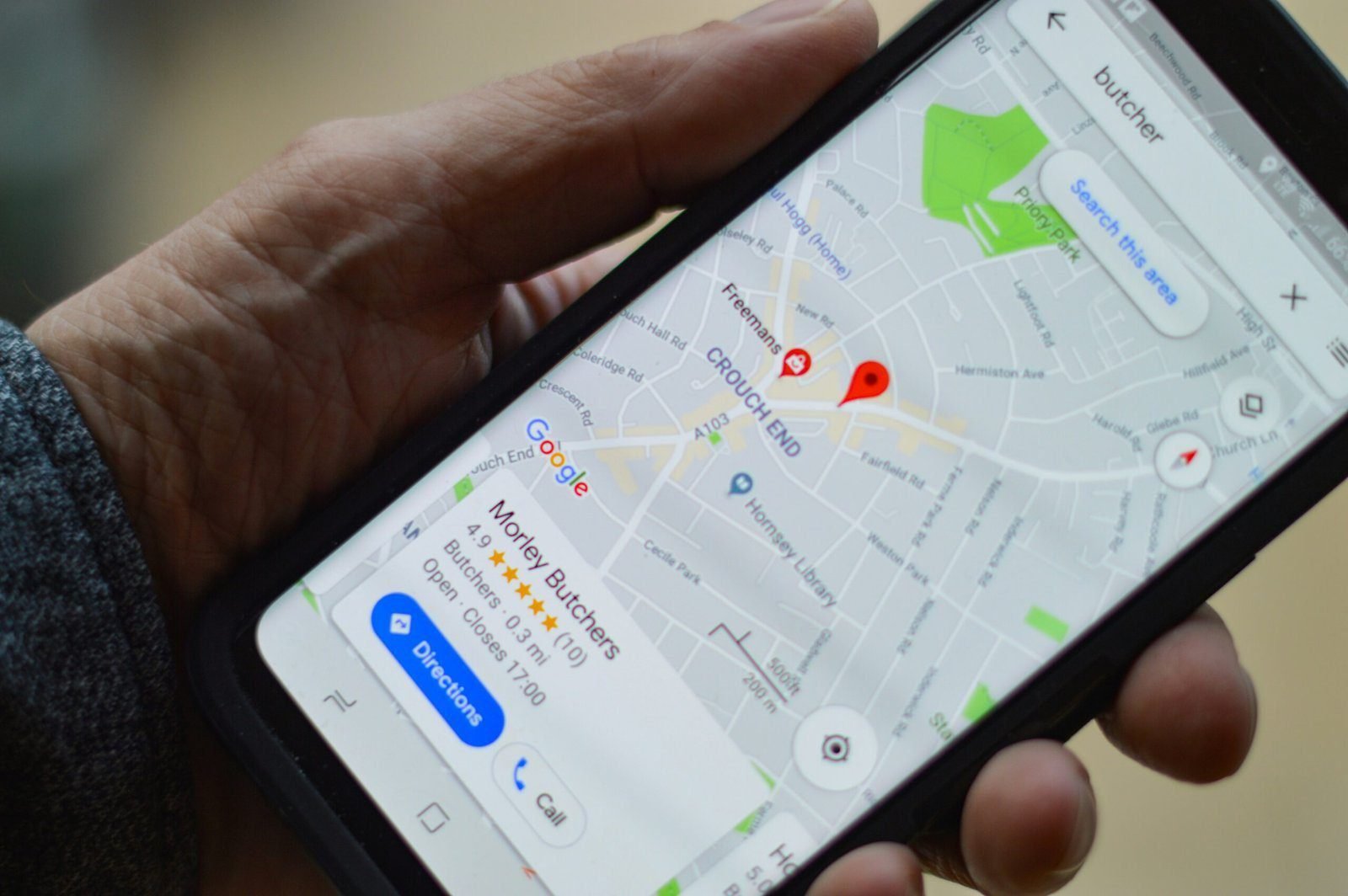
When we talk about local SEO for restaurants, we are really talking about how your place shows up in Google Maps and those near-me searches that drive real people to your door. If your Google Business Profile, reviews, and content stay the same all year, you leave money on the table in both peak and off-season.
In this guide, we are going to walk through how to adjust your Google Business Profile, your review game, and your content strategy for each season. The goal is simple: keep your restaurant visible, steady, and booked, even when the tourist crowds fade and you are serving mostly locals again.
How Seasonal Markets Mess with Local SEO
Seasonal markets have search whiplash. During holidays and peak travel times, you get a flood of visitors who search with their phones as they move around town. They type in things like best seafood, brunch near the beach, or late night food Palm Bay. When the rush is over, you mostly see locals searching for happy hour specials, weekday lunch deals, or takeout.
Google pays attention to all of that. During peak season you usually see:
- More map views
- More direction requests
- More calls from your Google Business Profile
- More photo views and menu clicks
Those are all strong local SEO signals. If you stay active and match what people are searching for, Google keeps you high in the local results. But if you go quiet as soon as the slow season hits, your signals drop off and other places can start to move ahead of you.
Think of it like talking to Google in two different languages. In peak season, you speak to tourists. In the off-season, you speak to locals. When you keep that conversation going in both seasons, you do not have to start from zero every time the crowds return.
Tuning Your Google Business Profile for Every Season
Your Google Business Profile is your online front door, so it needs to match what is really happening inside your restaurant right now, not six months ago.
In the off-season, focus your GBP on locals. That usually looks like:
- Making sure your hours are accurate, including slower days
- Highlighting locals-only specials, loyalty nights, or weekday deals
- Cleaning up categories so your main one matches what people love most about you
- Updating menus so popular local items and promos are front and center
During peak season, you want to shift toward tourist intent. Ask yourself what visitors care about most. It could be:
- Easy parking or being close to major roads
- Family-friendly seating and kids’ menus
- Quick lunch before or after outdoor activities
- Waterfront or outdoor seating with a view
Update your description and photos to show that clearly. Add fresh photos of the dining room, outdoor seating, bar, and your most popular dishes. Make sure holiday hours are updated before they change, and if you use a waitlist or online booking, keep that info current so guests are not surprised.
GBP posts should also change with the season. For example:
- Off-season: weekly posts for locals, like theme nights, trivia, live music, or loyalty promos
- Peak season: more frequent posts, like daily specials, holiday menus, and real-time updates about events
As you write those posts, you can naturally mention terms related to local SEO for restaurants, like best dinner in Palm Bay or family-friendly restaurant in Palm Bay, in a way that reads like normal speech. No stuffing, no weird wording, just how people actually talk.
Seasonal Review Strategies That Actually Sound Human
Reviews are one of the strongest trust signals for both people and Google. They also follow seasonal patterns, so your approach should too.
In peak season, you are serving more guests, which means more chances to get fresh reviews. Make it easy for your team with a simple play:
- Pick the best moment to ask, like when you drop the check or after a great interaction
- Keep a small card or QR code on the table that goes right to your Google review page
- Ask in a friendly, low-pressure way, and move on if the guest is not into it
You might say something like, “If you enjoyed everything today, a quick Google review really helps our small business. It takes less than a minute.” Short, honest, and human.
In the off-season, your regulars are your secret weapon. You can:
- Run a locals love review push and thank guests who have been coming for a long time
- Send a simple email to your list asking for updated reviews so new visitors know what to expect
- Spend more time replying to each review with personal, thoughtful responses
Do not offer discounts in exchange for reviews. That can break platform rules and make feedback feel fake. Instead, explain that reviews help you stay visible in near-me searches so you can keep serving the community.
All that off-season review activity pays off when tourist season hits again. You roll into the busy months with fresh, strong ratings instead of old, stale feedback.
Content That Shifts with the Seasons and Search Trends
Content is not just for social media. It feeds your Google presence and tells the algorithm what you are about.
In the off-season, create content that speaks to locals and their lives. Good angles include:
- Game-day specials and watch parties
- Office catering, meetings, and team lunches
- Holiday gatherings, birthdays, and small celebrations
- Behind-the-scenes clips of your team, kitchen prep, and community events
Share this content on your site, your social channels, and as GBP posts. It keeps you top of mind when people are going out a little less but still want somewhere fun and easy.
During peak season, focus your content on the questions visitors type into Google. Topics might be:
- Best brunch for groups
- Kid-friendly restaurants in Palm Bay
- Quick lunch before the beach
- Date night dinner with a view
Turn each of these into a short blog, a series of social posts, and a few GBP posts. You do not need a huge calendar. A simple plan with three or four key pieces for each season is enough.
Then, repurpose. One blog can become:
- Multiple social posts
- Several GBP posts
- A short email highlight
- A script for a quick vertical video
Publish content a few weeks before you feel the seasonal shift. That way, Google has time to crawl it and you are already showing up when search demand starts to climb.
Build Your Seasonal SEO Playbook and Stop Guessing
The best seasonal SEO systems are boring in the best way, they repeat. Instead of starting from scratch each year, create a simple playbook that covers:
- What you update on your Google Business Profile each off-season and each ramp-up month
- When and how your team asks for reviews in busy months and how you keep reviews flowing in slow ones
- Which content themes you cover for locals and which you save for tourists and holiday visitors
Set a short monthly SEO health check. Take 15 minutes to look at views, calls, direction requests, top search phrases, and review count. Over time, you will see clear patterns in what works for your restaurant in your market.
When you know those patterns, you can plan ahead instead of guessing. Slow seasons will still be slower, but they do not have to be dead. And peak seasons can be smoother, with more of the right guests finding you in Google Maps and near-me searches all year long.
Get Started With Your Project Today
If you are ready to attract more local customers and fill more tables, our team at Rank Boost Media is here to help. Explore how our local SEO for restaurants services can improve your visibility in local searches and turn online searches into walk-in guests. Tell us about your goals and challenges, and we will create a tailored strategy that fits your restaurant’s neighborhood, audience, and budget. To discuss your next steps, simply contact us and we will get back to you promptly.